 Skip to content
As a pet owner preparing for air travel with your furry companion, you’re probably feeling a mix of excitement and worry. Will they be scared? Should I give them something to help them relax? These questions are completely natural, but before you consider sedation, there’s something crucial you need to know.
After moving thousands of pets across the globe over the years, I’ve seen firsthand what works and what doesn’t when it comes to keeping pets safe and comfortable during flights. The truth is, sedating your pet for air travel isn’t just discouraged—it’s actually prohibited by most airlines, and for very good reasons.
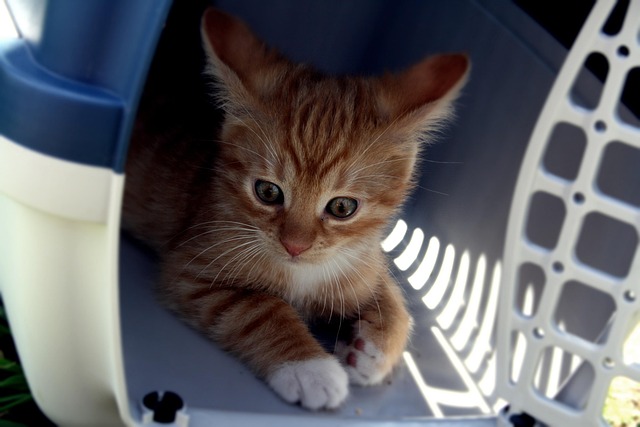
When you’re at 30,000 feet, your pet’s body responds very differently to medications than it would on the ground. Airlines aren’t being overly cautious—they’re protecting your pet’s life.
Here’s what happens when sedatives meet airplane cabins: the reduced oxygen levels and pressure changes at altitude can turn a normally safe medication into a serious health risk. American Airlines, along with virtually all major carriers, follows guidelines from the American Veterinary Medical Association (AVMA) that explicitly prohibit accepting sedated pets.
Important: Pets given sedatives or tranquilizers face a higher risk of respiratory and cardiovascular problems at high altitudes. Their ability to regulate body temperature and balance also becomes compromised, which can be dangerous in a cargo environment.
Think about it this way: when your pet is sedated, they can’t respond naturally to the changes happening around them. If they feel discomfort or need to adjust their position, they’re unable to do so. This puts them at serious risk for respiratory distress, especially in breeds already prone to breathing difficulties.
Once your pet boards that plane, airline personnel need to be able to check on their condition. A sedated pet shows many of the same signs as a pet in distress—lethargy, unresponsiveness, shallow breathing. This makes it nearly impossible for staff to distinguish between normal sedation and a genuine emergency.
We’ve worked with airlines worldwide, including busy hubs like London-Heathrow, and their animal care protocols are strict for good reason. They need to be able to assess your pet’s condition quickly and accurately.
The good news? You don’t need sedation to help your pet travel comfortably. After helping move pets to destinations from the UK to Dubai to Singapore, we’ve learned what truly makes a difference.
The single most effective thing you can do doesn’t cost a penny—it just takes time. Gradual acclimation to your pet’s travel carrier is absolutely essential.
This isn’t just busywork—pets that are comfortable in their carriers experience significantly less stress during actual travel. We’ve seen the difference countless times when picking up pets for international pet transport.
Your pet’s world revolves around smell. Use this to your advantage with pheromone products specifically designed for travel anxiety:
Apply these products to the carrier bedding 24 hours before travel. Better yet, send a worn t-shirt of yours with your pet—your scent provides incredible comfort in unfamiliar situations.
Natural doesn’t always mean safe, which is why you should always consult your vet first. That said, these supplements have helped many pets we’ve transported:
The key word here is “supplement,” not “sedative.” These work best when combined with proper preparation, not as a quick fix.
A tired pet is a calmer pet. On travel day, give your dog a longer walk than usual or engage your cat in active play sessions. Physical exertion naturally reduces anxiety and helps them rest during the journey.
In the days leading up to travel, stick to your regular feeding and exercise schedule as much as possible. Sudden changes increase stress. Your pet takes emotional cues from you, so staying calm yourself makes a bigger difference than you might think.
Some pets have genuine anxiety disorders that go beyond normal travel nervousness. If your pet has been diagnosed with severe anxiety, there are alternatives to traditional sedatives that your vet might recommend.
Anti-anxiety medications like trazodone or gabapentin work differently than sedatives—they reduce anxiety without the dangerous sedation effects. However, these still require veterinary consultation and sometimes airline approval. We always recommend discussing any medication plan with both your vet and our team well before travel dates.
When we’re handling your pet’s transport from pickup to check-in, we coordinate with you and your veterinarian to ensure any approved medications are given at the right time and dosage.
Not all pets face the same risks during air travel. Brachycephalic breeds (those with flat faces) require extra attention because they already have compromised airways.
Many airlines have breed restrictions or require special documentation for these pets. Some refuse them entirely during warm months. This is where professional pet transport services become invaluable—we know which airlines accept which breeds, what documentation they need, and how to route them safely.
Look, I’m obviously biased—this is what I’ve dedicated my career to. But here’s the honest truth: moving pets internationally involves layers of complexity that most people only deal with once or twice in their lives.
Beyond the sedation question, there are:
When you work with Pet Transport Pro, you’re not dealing with a travel agent or coordinator who’s never touched a pet carrier. You’re getting direct service from USDA-licensed handlers who’ve successfully completed thousands of pet relocations.
Our team personally handles your pet from pickup at your home to check-in at the airport. We know exactly what airlines require, what actually calms pets during the process, and how to navigate the inevitable complications that arise with international travel.
Recently, we moved a rescue dog named Reni from New York to Barcelona. Her owner was understandably anxious—Reni had some trauma in her past and wasn’t always comfortable with strangers. But we started the preparation process early, working with the owner on carrier training and introducing Reni to us gradually.
By travel day, Reni knew her carrier was a safe space. We’d visited twice before to build trust. No sedation needed—she traveled beautifully and was wagging her tail at her new Barcelona home just hours after landing.
That’s not unusual for us. It’s what happens when you combine proper preparation with professional handling.
For domestic travel within the USA, we typically recommend booking at least 10 days in advance. For international destinations, 30-60 days is ideal, though some countries require even more preparation time.
Let me be clear: if airline staff suspect your pet has been sedated, they can and will refuse boarding. You’ll be stuck at the airport with a groggy pet and no way to get them to your destination.
Even worse, if your pet experiences a medical emergency during the flight due to sedation, the airline isn’t liable—you are. The emotional and financial costs aren’t worth the risk.
Your vet might prescribe anti-anxiety medication (different from sedatives), but you must declare this to the airline in advance and get their approval. We can help coordinate this conversation.
Start immediately with gradual acclimation. If you’re short on time, contact us—we have strategies to help even last-minute travelers, though more time is always better.
Some airlines prohibit certain brachycephalic breeds entirely. Others restrict them during warm months. We stay updated on every airline’s current policies and can find solutions even for restricted breeds.
Consult with your vet and with us. Some pets genuinely aren’t good candidates for air travel. In those cases, we can discuss ground transport alternatives or help you make the best decision for your specific situation.
The urge to sedate your pet comes from a good place—you want them comfortable and stress-free. But the safest path forward involves preparation, not medication. Natural calming methods combined with proper carrier training work remarkably well for the vast majority of pets.
For those rare cases where anxiety is severe, work with your vet to find alternatives that won’t compromise your pet’s safety at altitude. And whether you’re moving your pet across the country or across the world, remember that professional help exists for a reason.
We’ve been doing this since 1997. We’ve seen what works, what doesn’t, and what the real risks are. Our team doesn’t just move pets—we ensure they arrive safely, comfortably, and ready to start their new adventure with you.
Get a free, no-obligation quote and consultation from the team that's been featured on Nat Geo Wild for our expertise in pet transport. We'll walk you through exactly what your pet needs for a safe journey.
Your pet’s safety is everything. Let’s make sure their journey is as smooth as their arrival is joyful.
 About Pet Transport Pro
With years of experience and thousands of successful pet relocations, Pet Transport Pro specializes in safe, professional pet transport services worldwide. Founded by Anthony Denicker, who starred in a Nat Geo Wild series about pet transportation, our USDA-licensed team provides personalized, hands-on service for every pet move.
Let’s discuss your test plan