 Skip to content
Moving to Europe with your furry companion is an exciting adventure, but it can also feel overwhelming. Whether you’re relocating to the UK, Germany, France, Italy, or the Netherlands, choosing the right pet transport service makes all the difference between a stressful ordeal and a smooth transition for both you and your pet.
After three decades in the pet transport industry and thousands of successful relocations across Europe, we’ve learned what truly matters when it comes to moving pets internationally. This guide will walk you through everything you need to know about choosing a pet transport service that’ll keep your four-legged family member safe, comfortable, and stress-free.
European pet transport isn’t just about booking a flight and showing up at the airport. Each European country has specific requirements, and the regulations can change frequently. The European Union has harmonized many pet travel rules, but there are still significant differences between member states and non-EU countries like the UK.
Professional international pet shipping services stay current with these ever-changing regulations. They know that moving a dog from New York to London involves different paperwork than transporting the same pet to Germany or France. It’s not something you want to figure out on your own.
The Pet Travel Scheme (PETS) governs most pet movements into Europe. Your pet will need a microchip, rabies vaccination, and in some cases, tapeworm treatment and health certificates. The timing of these requirements matters tremendously. Apply for the wrong document at the wrong time, and you could be facing delays of weeks or even months.
Here’s where experience counts. A seasoned pet transport professional knows exactly when to schedule each veterinary visit, which forms to complete first, and how to avoid the common pitfalls that trip up first-time pet movers.
You might be wondering what makes one pet transport company better than another. After all, aren’t they all just booking flights and handling paperwork? Not quite.
This distinction is crucial. Many companies that advertise pet transport services are actually just middlemen or travel coordinators. They take your booking, then pass your pet off to contractors they’ve never met.
At Pet Transport Pro, we handle every move directly. Our team members are the ones who pick up your pet, drive them to the airport, check them in for their flight, and coordinate with handlers on the European end. There’s no game of telephone, no wondering who’s actually caring for your pet.
When you work with direct handlers, you get consistency. The same professional who answers your questions is the same person who’ll be with your pet every step of the way. That personal accountability makes a world of difference.
Not all airports handle pet transport the same way. London Heathrow, Frankfurt, Paris Charles de Gaulle, Amsterdam Schiphol, and Rome Fiumicino each have their own procedures, facilities, and quirks.
We’ve built relationships with animal reception centers at major European airports over the years in this business. These connections ensure your pet gets priority handling, climate-controlled waiting areas, and immediate attention if any issues arise during transit.
Let’s get practical. Here’s what you should look for when evaluating pet transport companies for your European move:
Experience matters in pet transport. Companies that have been around for decades have seen it all. They know how to handle nervous pets, manage unexpected delays, and navigate complex regulations.
Don’t be shy about asking for references or checking reviews. A reputable company will happily share testimonials from clients who’ve moved pets to Europe. Look for specific mentions of European destinations and pay attention to how the company handled challenges.
Your pet transport service should be USDA-licensed and comply with IATA (International Air Transport Association) regulations. These certifications aren’t just bureaucratic formalities. They mean the company meets strict standards for animal welfare and safety.
Ask to see credentials. If a company hesitates or can’t provide documentation, that’s a red flag.
Moving a pet internationally involves coordination across time zones. You’ll have questions at odd hours. You’ll want updates while your pet is in transit. Choose a company that’s responsive and accessible.
The best pet transport services assign you a single point of contact throughout the process. This person becomes your go-to resource for everything from paperwork questions to last-minute concerns before departure.
Every pet is different. A young Labrador traveling to Germany has different needs than an elderly cat moving to the UK. Your transport service should recognize this and create a customized plan for your specific situation.
Does your dog get anxious in new situations? A good transport service will build extra time into the schedule for acclimation. Is your pet on medication? They’ll coordinate with you to ensure proper timing and dosing during travel.
Let’s break down some of the most common European destinations for pet relocations:
The UK has some of the strictest pet import requirements in Europe, especially post-Brexit. Your dog or cat needs a microchip, rabies vaccination, and an Animal Health Certificate (AHC) issued by a USDA-accredited veterinarian no more than 10 days before travel.
For dogs, you’ll also need tapeworm treatment administered 1-5 days before entry. The timing is precise, and getting it wrong means your pet won’t be allowed into the country.
London Heathrow is the primary entry point for pets, and its Animal Reception Centre is one of the best-equipped facilities in Europe. We’ve worked with the Heathrow team for years, which streamlines the process considerably.
Germany is more straightforward as an EU member state. Your pet needs an ISO-compatible microchip, valid rabies vaccination, and an EU Pet Passport or health certificate. The rabies vaccine must be administered at least 21 days before travel.
Frankfurt Airport is the main hub for pet arrivals, with excellent facilities and German efficiency in processing. Many pets moving to Germany transit through Frankfurt, making it crucial to work with a transport service familiar with the airport’s procedures.
French pet import requirements align with EU standards. Beyond the microchip and rabies vaccination, you’ll need a health certificate from a licensed veterinarian. France is generally pet-friendly, but documentation must be perfect.
Paris Charles de Gaulle handles most international pet arrivals. The airport has dedicated animal facilities, though they can get busy during peak travel seasons. Experienced pet transport services know the best times to schedule arrivals.
Italy’s requirements mirror other EU countries: microchip, rabies vaccination, and health documentation. However, Italy is stricter about certain dog breeds. Some municipalities have breed-specific regulations, so it’s worth researching your specific destination city.
Rome Fiumicino and Milan Malpensa are the primary airports for pet arrivals. Both have good facilities, though Milan tends to be less crowded for animal processing.
The Netherlands follows EU pet import regulations. Amsterdam Schiphol Airport is one of the most pet-friendly in Europe, with modern facilities and efficient processing. Dutch customs officials are generally experienced with pet imports, making it a smooth entry point.
One advantage of flying into Amsterdam is the airport’s central location. It’s a great choice if your final destination is elsewhere in northern Europe, as ground transport connections are excellent.
Let’s talk money. European pet transport isn’t cheap, but understanding what you’re paying for helps put the investment in perspective.
Several factors influence pet transport costs:
A comprehensive pet transport service to Europe should include:
When you break down everything that’s involved, professional pet transport services offer real value. You’re not just paying for a plane ticket. You’re paying for peace of mind, expertise, and someone who genuinely cares about your pet’s wellbeing.
Even with the best transport service, you play a crucial role in preparing your pet for the journey ahead.
Start crate training at least a month before your move. Your pet needs to see their travel crate as a safe space, not a scary box. Feed them in the crate, leave the door open so they can explore, and gradually increase the time they spend inside.
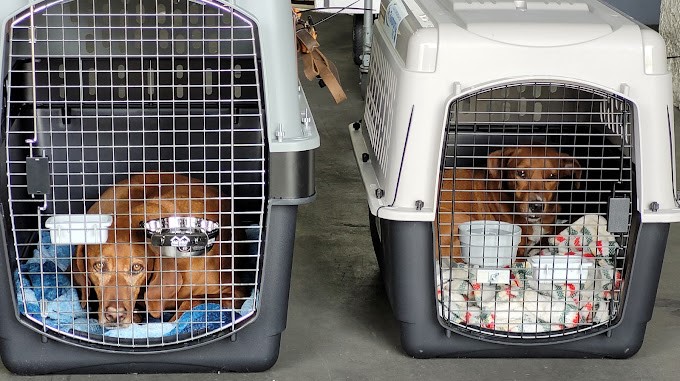
The crate must meet IATA standards: sturdy construction, proper ventilation, secure door, and enough room for your pet to stand, turn around, and lie down comfortably. Your transport service should provide guidance on crate selection.
Schedule a veterinary checkup several months before your move. Discuss the timeline for required vaccinations and treatments. Some European countries require blood tests that must be completed months in advance, so early planning is critical.
Keep detailed health records. You’ll need them for the official health certificate, and they’re helpful if your pet needs veterinary care in Europe.
Travel day will be stressful for both of you. Stick to your pet’s normal routine as much as possible. Don’t feed them a large meal right before transport (airlines have specific feeding guidelines), but don’t skip meals entirely either.
If your pet takes medication, discuss timing with your vet and transport coordinator. Some medications should be given before travel, while others are better administered after arrival.
When moving to Europe, air transport is usually the only practical option. Ground transport across the Atlantic isn’t feasible, but once in Europe, you might have choices about how your pet reaches their final destination.
If your European destination is within driving distance of a major airport, ground transport might be an option for the final leg. Some pets handle car travel better than additional flights, especially after a long transatlantic journey.
Professional pet transportation services can arrange ground transport from airports to your home anywhere in Europe. This eliminates the need for you to handle logistics while you’re settling into a new country.
Unfortunately, not all pet transport companies are created equal. Here are warning signs that should make you look elsewhere:
Don’t be afraid to grill potential pet transport services. A professional company welcomes questions. Here’s what to ask:
When travel day arrives, you’ll likely feel nervous. That’s completely normal. A good pet transport service will have prepared you for every step, but here’s what typically happens:
If you’ve chosen door-to-door service, the handler arrives at your home at the scheduled time. They’ll do a final check of your pet’s health and documentation, load them into their vehicle, and head to the airport.
At the airport, your pet is checked in as manifest cargo (the safest designation for pet travel). They’re taken to a climate-controlled animal holding facility until flight time. Most airlines load pets last to minimize their time in the cargo hold before takeoff.
Cargo holds on modern aircraft are pressurized and temperature-controlled, similar to the passenger cabin. Your pet will be in their crate in a designated animal area. Airlines have strict protocols for pet safety during flight.
Your transport service should be able to track the flight and provide updates. Some even coordinate with airline staff to check on pets during layovers.
Upon landing, pets are unloaded first and taken to the airport’s animal reception facility. Customs and veterinary officials check documentation and clear your pet for entry.
If you’ve arranged ground transport to your new home, the receiving handler takes custody of your pet and coordinates delivery. Otherwise, you’ll pick them up at the airport facility after customs clearance.
The journey doesn’t end when your pet arrives. They’ll need time to adjust to their new environment, just like you will.
Expect your pet to be tired and possibly disoriented. Maintain their normal routine as much as possible. Feed them their usual food at their usual times. Keep them in a quiet, secure space while they decompress.
Some pets bounce back immediately, while others take days or even weeks to fully settle. Be patient and provide lots of reassurance.
Register with a local vet as soon as possible. European countries have different veterinary care systems and pet registration requirements. Your vet can guide you through local regulations and help you find pet supplies and services in your new area.
We’ve been moving pets internationally for years, with Europe being one of our most common destinations. What makes us different?
First, we’re not travel agents. When you work with Pet Transport Pro, you work directly with the people who’ll be handling your pet. Our founder, Anthony Denicker, started moving pets in 1997 and starred in a Nat Geo Wild television series about pet transport. He or a member of his personally trained team handles every aspect of your pet’s journey.
We’ve built relationships with animal facilities at every major European airport. This isn’t just about convenience. These relationships ensure your pet gets priority handling, climate-controlled facilities, and immediate attention if anything unexpected happens.
Most importantly, we’re pet lovers ourselves. We understand that your dog or cat isn’t just an animal. They’re family. We treat every pet we transport with the same care and attention we’d give our own.
Moving to Europe is a big step, and bringing your pet along makes it even more complex. But with the right pet transport service, it doesn’t have to be stressful.
Start planning early. Most European moves require at least 30-60 days of preparation, and some countries require even longer lead times. Contact us to discuss your specific situation and get a free, no-obligation quote.
We’ll walk you through every requirement for your destination country, create a customized transport plan for your pet, and handle all the details so you can focus on your own move. Whether you’re heading to London, Paris, Berlin, Rome, or Amsterdam, we’ve got the experience and relationships to make your pet’s journey as smooth as possible.
Your pet trusted you to make this big decision. Trust us to get them safely to your new European home.
Ready to move your furry friend to Europe? We’re here to help every step of the way. With years of experience and thousands of successful European relocations, Pet Transport Pro is your trusted partner for international pet shipping.
Let’s discuss your test plan